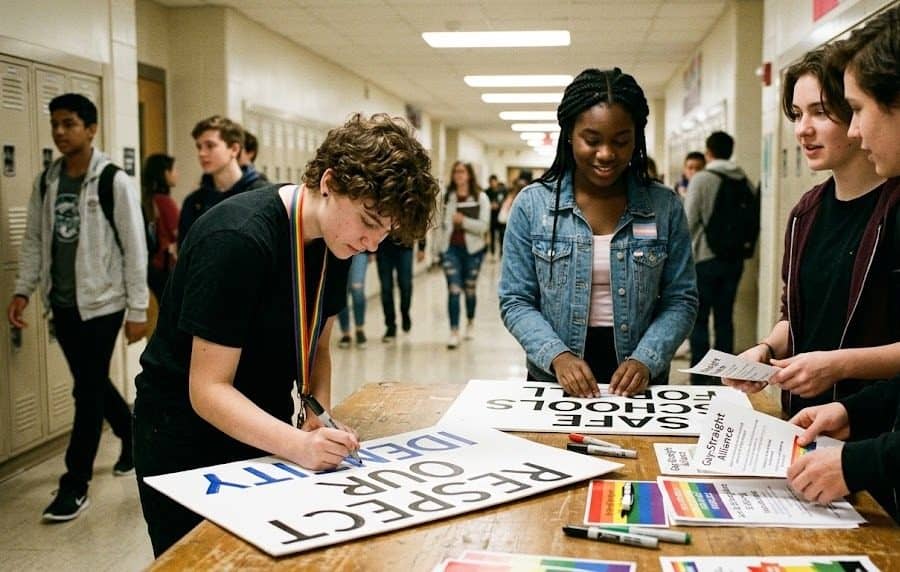
Education should be a safe space for all students. However, LGBTQ+ youth often face systemic discrimination in schools, including bullying, exclusion, and lack of representation. These challenges can negatively impact their academic performance, mental health, and social development. This article explores the obstacles LGBTQ+ students face and offers solutions to foster inclusive, supportive educational environments.
The Challenges LGBTQ+ Students Face
1. Bullying and Harassment
Bullying remains one of the most significant challenges for LGBTQ+ students. According to research, a substantial percentage of LGBTQ+ youth report verbal, physical, and cyberbullying based on their sexual orientation or gender identity (showing some vidéo de fille nue to a gay student). This hostile environment can lead to absenteeism, poor academic performance, and mental health issues such as anxiety and depression.
2. Lack of Representation in Curriculum
Many school curricula fail to reflect LGBTQ+ histories and experiences. The absence of LGBTQ+ role models in textbooks and educational materials can reinforce feelings of invisibility and exclusion among students. Inclusive curricula can promote understanding, reduce prejudice, and validate the identities of LGBTQ+ youth.
3. Discriminatory Policies
Some schools lack clear anti-discrimination policies or fail to enforce them effectively. Policies that do not explicitly protect LGBTQ+ students leave them vulnerable to harassment and unequal treatment. Inclusive policies can set clear expectations for behavior and provide mechanisms for reporting discrimination.
4. Mental Health Implications
Discrimination and social exclusion contribute to higher rates of mental health challenges among LGBTQ+ youth. Studies indicate increased risks of depression, self-harm, and suicidal thoughts in environments where students feel unsafe or unsupported.
Strategies for Inclusive Education
1. Implementing Anti-Bullying Programs
Schools should adopt comprehensive anti-bullying programs that explicitly include protections for LGBTQ+ students. Training teachers and staff to recognize and intervene in bullying can create safer school environments.
2. Developing Inclusive Curricula
Including LGBTQ+ perspectives in history, literature, and health education fosters understanding and empathy among students. Representation can empower LGBTQ+ students and educate non-LGBTQ+ peers on diversity and inclusion.
3. Support Programs and Safe Spaces
Gay-Straight Alliances (GSAs) and LGBTQ+ support groups provide safe spaces for students to express themselves and build community. These programs can reduce feelings of isolation and improve mental health outcomes.
4. Clear Policies and Legal Protections
Schools should establish and enforce anti-discrimination policies that explicitly protect LGBTQ+ students. Collaboration with local and national organizations can help ensure policies comply with legal standards and best practices.
5. Teacher and Staff Training
Ongoing professional development for educators on LGBTQ+ issues promotes a culture of acceptance. Educators equipped with knowledge and empathy can identify and address discrimination effectively.
The Role of Families and Communities
Supportive families and communities are essential in combating discrimination in schools. Open communication, advocacy, and community programs can reinforce safe, inclusive environments for LGBTQ+ youth both in and out of school.
Case Studies of Successful Initiatives
- Schools implementing inclusive curricula have reported reductions in bullying incidents.
- GSAs in various high schools have been linked to improved mental health and academic outcomes for LGBTQ+ students.
- Legal interventions and policy reforms in some regions have led to measurable improvements in student safety and well-being.
Conclusion
LGBTQ+ students face unique challenges in education, from bullying and lack of representation to systemic discrimination. Addressing these challenges requires a multifaceted approach: inclusive curricula, clear policies, support programs, staff training, and community engagement. By fostering safe, supportive, and inclusive environments, schools can empower LGBTQ+ youth to thrive academically, socially, and emotionally.